4th of July Bow Clipart Design: A Practical Guide for Creators
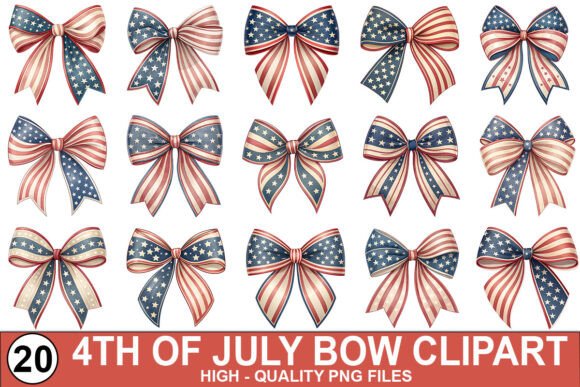
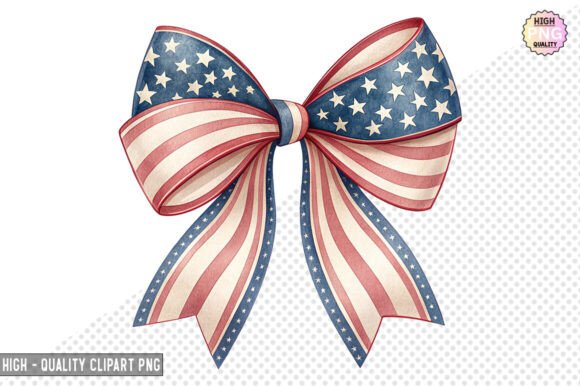
Celebrating Independence Day often involves a rush to create invitations, social media graphics, and merchandise that captures the spirit of the holiday. In this creative scramble, many designers turn to digital assets like the 4th of July Bow Clipart Design. This specific element—a festive bow rendered in red, white, and blue with stars and stripes—serves as an instant visual anchor for patriotic projects. Whether you are sublimating mugs, designing T-shirts, or crafting scrapbook pages, a high-quality bow can tie your entire composition together. However, not all clipart is created equal, and selecting the wrong file can derail even the most well-planned project.
The appeal of a ready-made 4th of July Bow Clipart Design lies in its convenience. Instead of spending hours vectorizing a complex pattern or painting a realistic ribbon, creators can download a single PNG file and integrate it immediately. The value proposition is clear: a professional-looking, transparent background asset that works seamlessly in tools like Canva, Photoshop, Cricut Design Space, and Silhouette Studio. Yet, behind the promise of "instant download" lies a minefield of technical pitfalls that beginners and even experienced hobbyists frequently overlook.
The Resolution Trap: Why Low DPI Fails Print Projects
One of the most common mistakes when sourcing patriotic clipart is ignoring resolution specifications. Many free or budget-friendly downloads advertise a "high quality" image but deliver files at 72 DPI (dots per inch), which is standard for web use but disastrous for print. If you plan to use your 4th of July Bow Clipart Design on physical items like banners, large stickers, or sublimation transfers, a low-resolution image will appear pixelated, blurry, or jagged once printed.
This error directly impacts the perceived quality of your final product. A pixelated bow on a custom T-shirt looks amateurish and can ruin the aesthetic of an otherwise professional design. To avoid this, always verify that the file is provided at 300 DPI. This standard ensures that the intricate details of the stars and stripes remain crisp, even when scaled up for larger formats. Before purchasing or downloading, check the product description explicitly for the DPI rating. If it is not mentioned, assume the file is web-only and unsuitable for commercial printing.
Understanding Transparency and Background Issues
Another frequent oversight involves the background of the image file. A true PNG file should have a transparent background, allowing you to place the bow over any color or texture without a distracting white box surrounding it. Unfortunately, some sellers provide images saved as JPEGs or PNGs with opaque backgrounds, forcing you to spend extra time manually removing the background in editing software.
Attempting to cut out a complex shape like a bow with folded ribbons and star patterns using basic tools can result in rough edges and halos. This inefficiency wastes valuable time and may compromise the clean look required for professional branding. When evaluating a 4th of July Bow Clipart Design, ensure the listing confirms a "transparent background." A quick preview of the thumbnail often reveals a checkerboard pattern, which indicates transparency. If the image appears on a solid white square, proceed with caution or look for an alternative that guarantees a clean cut-out.
Color Consistency and Flag Accuracy
Patriotic designs rely heavily on color accuracy. The classic American flag uses specific shades of red, white, and blue. A poorly designed clipart might use neon reds or muddy blues that clash with other elements in your design. Furthermore, the placement of stars and stripes on the bow must be logical; random scattering of stars can look messy rather than festive.
When choosing your asset, look for a design that respects these traditional color palettes. A well-executed 4th of July Bow Clipart Design will feature balanced proportions where the stripes follow the flow of the ribbon and the stars are placed strategically to enhance the three-dimensional effect. Inconsistent coloring can make the bow look flat or cartoonish, reducing its effectiveness in serious marketing materials or elegant invitations. Always inspect the color values if possible, or view the asset in a context similar to your intended project to ensure harmony.
Licensing and Commercial Use Considerations
Perhaps the most critical, yet often misunderstood, aspect of buying digital art is the licensing agreement. Many creators assume that because they paid for a file, they can use it however they wish. This is a dangerous misconception. Some licenses restrict usage to personal projects only, while others allow for limited commercial sales. Using a 4th of July Bow Clipart Design to create products for sale without the proper commercial license can lead to legal issues and financial penalties.
To protect yourself and your business, read the terms of service carefully before downloading. Look for keywords like "commercial use," "unlimited prints," or "resale restrictions." If you are a small business owner planning to sell mugs or shirts featuring this bow, ensure the license explicitly permits selling finished goods. Avoiding this step can save you from having to remove products from your store later, which damages your reputation and costs money in lost inventory.
Optimizing Your Workflow with Compatible Software
Efficiency in design comes from compatibility. A great clipart file is useless if your software cannot open it or if the format causes errors during cutting or printing. The best 4th of July Bow Clipart Design files are universally compatible with major design platforms. They should import cleanly into Adobe Photoshop, Illustrator, Canva, and cutting machine software like Cricut Design Space or Silhouette Studio.
A practical approach to testing compatibility is to download a sample or preview the file in your primary application before committing to a full project. Check for layer separation, especially if you intend to recolor parts of the bow. While a single-layer PNG is perfect for direct use, layered files offer more flexibility for advanced users who want to tweak the colors to match a specific brand palette. Ensuring the file structure matches your workflow prevents frustration and keeps your production timeline on track.
Final Checklist Before You Download
Before finalizing your decision on a 4th of July Bow Clipart Design, run through this quick mental checklist to ensure you are making a smart investment:
- Resolution: Is it 300 DPI or higher for print clarity?
- Background: Is it truly transparent (PNG) without white borders?
- License: Does the license cover your intended use (personal vs. commercial)?
- Compatibility: Will it work smoothly in your specific design software?
- Aesthetics: Are the colors accurate and the design cohesive?
By taking these few moments to evaluate the asset, you avoid the headaches of poor quality prints, legal gray areas, and wasted time. A high-quality, properly licensed, and technically sound 4th of July Bow Clipart Design is a powerful tool that elevates your creative output. It allows you to focus on the bigger picture of your project—whether that's launching a summer collection or creating a memorable family invitation—while knowing the foundational elements are solid. With the right file, your Independence Day creations will stand out with pride and professionalism.