Botanical Line Art Flowers Floral Svg: A Practical Guide for Creators
The world of digital design has shifted dramatically toward clean, minimalist aesthetics, and nowhere is this more evident than in the popularity of botanical illustrations. When you search for Botanical Line Art Flowers Floral Svg, you are likely looking for a versatile asset that bridges the gap between organic nature and modern design simplicity. These digital files offer a refined look that works beautifully on everything from wedding invitations to rugged t-shirts. However, finding the right file is only half the battle; understanding how to use it correctly ensures your final product looks professional rather than amateurish.
Many creators dive into purchasing clipart without fully grasping the technical requirements of their specific project. This often leads to frustration when an image looks pixelated on a large sign or fails to cut properly on a Cricut machine. The difference between a successful design and a wasted afternoon often comes down to file formats, resolution, and how the line art interacts with your chosen medium.
Understanding the Value of High-Quality Vector Files
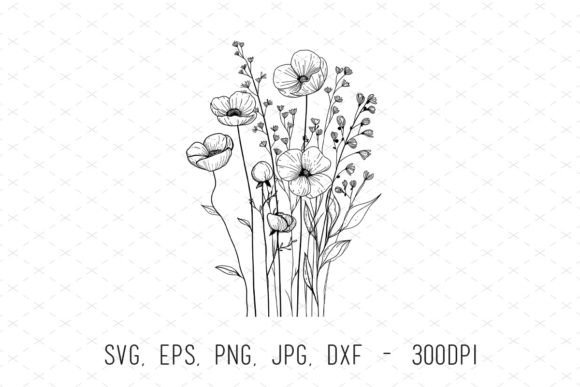
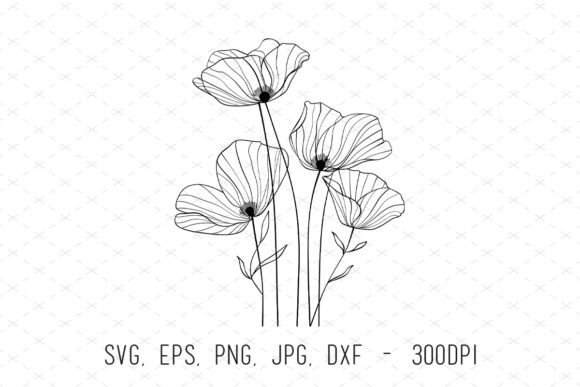
At its core, a Botanical Line Art Wildlflowers Svg Clipart set is more than just a picture; it is a scalable blueprint for your creativity. Unlike standard raster images (like JPEGs) which are made of pixels, vector files like SVGs and EPS are built on mathematical paths. This distinction is critical for anyone planning to resize their artwork significantly.
When you work with high-quality files, such as those offering a resolution of 300 DPI at dimensions like 5100x6400px, you gain the freedom to scale your design up for a wall mural or down for a small sticker without losing clarity. The lines remain crisp, and the curves stay smooth. This scalability is why professionals prefer vector formats for branding, signage, and apparel. If you are creating a logo for a new flower shop or designing a series of greeting cards, the ability to resize without degradation is non-negotiable.
Common Mistakes When Choosing Digital Botanical Assets
Despite the clear benefits, many beginners make avoidable errors when selecting their digital assets. One of the most frequent mistakes is assuming all "high-resolution" images are created equal. A JPEG might be labeled as high resolution, but if you stretch it beyond its original pixel count, it will blur. This is where the format matters immensely.
Mistake 1: Ignoring File Formats for Specific Uses
If you are using a cutting machine like a Silhouette Cameo or a Cricut, downloading only PNG or JPG files is a recipe for failure. These machines require vector data to understand where to cut. Without an SVG or DXF file, you cannot achieve clean cuts, leading to jagged edges or machine errors. Always ensure your download includes an SVG File or DXF File if your project involves die-cutting or vinyl application.
Mistake 2: Overlooking Transparency
Another common oversight is failing to check for a transparent background. Many free or low-quality clipart sets come with a white square behind the flower. When you place this onto a dark-colored mug or a patterned invitation, that white box ruins the aesthetic. A professional Botanical Line Art Flowers Sublimation Clipart should always feature a transparent background, allowing the design to blend seamlessly with any surface color or texture.
Mistake 3: Underestimating the Importance of Resolution
For print projects like posters, books, or sublimation on physical products, resolution is king. If you print a low-DPI image, the result will look muddy and unprofessional. Look for files that explicitly state they are 300 DPI. This standard ensures that when you print on paper, fabric, or ceramics, the ink lays down sharply, preserving the delicate details of the wildflower lines.
How Technical Errors Impact Your Final Product
The consequences of these oversights extend beyond simple visual flaws. They can directly impact your efficiency, cost, and customer satisfaction. Imagine spending hours designing a custom t-shirt, only to realize the floral graphic looks blurry once printed. You have now wasted time, money on materials, and potentially damaged your reputation if this was for a client.
In the context of sublimation printing, low-quality files can lead to color bleeding or loss of detail. Since sublimation relies on heat to transfer dye into the material, the source image must be pristine. If the lines are too thin or the resolution is poor, the heat process can cause them to disappear or merge together. Similarly, in web design, using a massive, uncompressed file can slow down page load times, frustrating users and hurting your SEO rankings.
Furthermore, using the wrong file type for a cutting machine can waste expensive vinyl or heat-transfer vinyl (HTV). If the machine misinterprets a raster image as a vector path, it may cut unnecessary shapes or fail to recognize the design entirely. This not only costs money in wasted supplies but also adds significant stress to your workflow.
Practical Steps to Ensure Success
To avoid these pitfalls, adopt a checklist approach before you download or purchase any digital art. Here is what you should verify to ensure your Botanical Line Art Flowers Floral Svg meets your needs:
- Check the Format Bundle: Ensure the package includes multiple formats. A complete set should offer PNG for quick previews and web use, JPG for general sharing, and crucially, SVG, EPS, and DXF for editing and cutting. Having all five formats gives you maximum flexibility.
- Verify Resolution and Dimensions: Look for specific numbers. A file size of 5100x6400px at 300 DPI is excellent for both large prints and detailed close-ups. Do not settle for vague terms like "high quality" without concrete specifications.
- Inspect the Background: Before committing, view the preview carefully. Ensure there are no watermarks and that the background is truly transparent. This is essential for layering designs on colored backgrounds.
- Test Compatibility: If you plan to edit the design, confirm that the SVG or EPS files open cleanly in your preferred software, whether it's Adobe Illustrator, CorelDRAW, Canva, or a cutting machine interface.
Maximizing Creativity with Versatile Assets
Once you have secured the right files, the possibilities are vast. These botanical line art flowers are not limited to one application. Their clean lines make them perfect for elegant wedding invitations, where they can frame text beautifully without overpowering it. For entrepreneurs, they are ideal for branding elements on business cards or website headers, conveying a sense of natural sophistication.
Hobbyists can use them for scrapbooking, adding a touch of vintage charm to memory pages. Small business owners selling on platforms like Etsy can apply these designs to mugs, tote bags, and wall art using sublimation or heat press techniques. The key is to remember that the quality of your output is directly tied to the quality of your input files.
By choosing a comprehensive pack that includes high-resolution vectors and transparent backgrounds, you future-proof your creative projects. You eliminate the guesswork and focus on what really matters: bringing your vision to life. Whether you are a seasoned designer or a beginner exploring paper crafts, investing in reliable, well-specified digital assets like this Botanical Line Art Wildlflowers Svg Clipart collection is the smartest decision you can make for your workflow.
Taking the time to evaluate your resources pays off in every aspect of your creation process. From the initial concept to the final printed product, the right tools ensure that your hard work shines through clearly and professionally. Explore the full range of formats provided, experiment with different applications, and let the timeless beauty of botanical line art elevate your next project.