Vintage Butterfly Specimen Cards: A Design Guide
In the world of digital scrapbooking and mixed media art, few elements capture the imagination quite like Vintage Butterfly Specimen Cards. These are not merely images; they are curated design assets that evoke a sense of nostalgia, scientific curiosity, and delicate beauty. For designers, crafters, and content creators looking to infuse their projects with character, these printable sheets offer a unique blend of hand-drawn illustrations, found imagery, and digitally enhanced visuals. Whether you are assembling a junk journal, designing packaging for a small business, or creating social media graphics, understanding how to leverage these assets can elevate your work from generic to genuinely engaging.
The Aesthetic Appeal of Vintage Specimens
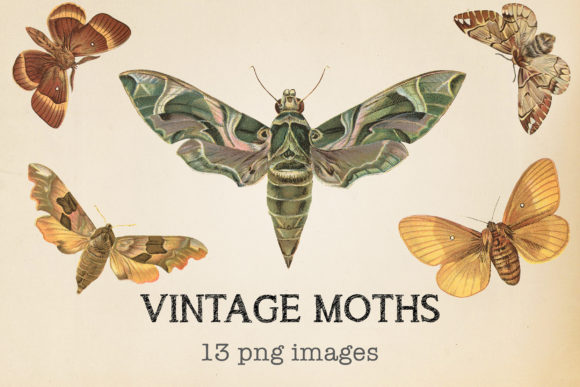
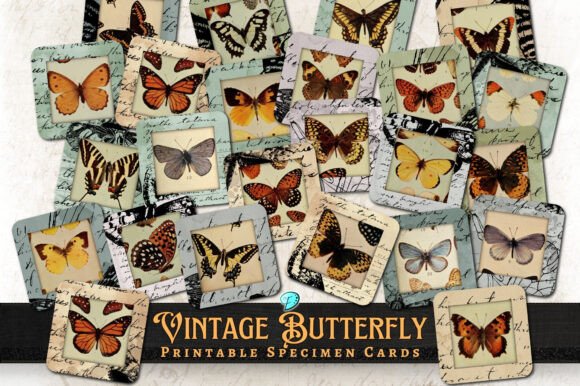
The visual personality of Vintage Butterfly Specimen Cards is rooted in the tradition of natural history illustration. Unlike modern, sterile vector graphics, these cards carry the texture of age. They feature faded inks, subtle paper grain, and the organic imperfections that come with hand-drawn origins. This aesthetic creates an immediate emotional connection, suggesting a story of discovery and preservation.
When you integrate these elements into a project, you are borrowing from a rich history of editorial design and botanical study. The contrast between the intricate details of the butterfly wings and the aged background provides a sophisticated visual hierarchy. This makes them particularly effective as focal points in layouts where you want to draw the eye without overwhelming the viewer. The style sits comfortably at the intersection of vintage charm and modern typography, making it versatile enough for both retro-themed branding and contemporary artistic expression.
Practical Applications Across Creative Fields
The versatility of these high-resolution assets means they transcend a single medium. In the digital pack, you receive two printable sheets in 8.5 x 11" format at 300dpi, available as JPEGs and transparent PNGs. This dual-format approach is crucial for professional workflows. The JPEGs serve as excellent backgrounds or full-page prints for physical crafts, while the transparent PNGs allow for seamless integration into digital compositions.
- Junk Journals and Scrapbooking: As ephemera pieces, these cards add depth to layered pages. They function perfectly as tags, envelope liners, or decorative overlays that tie together a theme of nature and memory.
- Branding and Packaging Design: For small business owners selling handmade goods, these images can define a brand identity. Imagine using a specimen card on a product label or as part of a logo design for a boutique stationery line. It signals quality, care, and a connection to nature.
- Digital Content Creation: Bloggers and marketers can use these assets to break up text-heavy posts or create eye-catching social media graphics. When paired with a clean sans serif font, the vintage image adds warmth and stops the scroll.
- Editorial and Publishing: In book design or magazine layouts, these cards can serve as chapter dividers or pull-quote backgrounds, enhancing the reading experience with visual interest.
Technical Considerations for Designers
While the creative potential is vast, technical precision ensures the final result looks professional. The inclusion of 300dpi files guarantees crisp print quality, which is essential for physical projects like card making or printed journals. However, users must be mindful of file management, especially regarding operating system compatibility.
A common point of confusion arises for Windows users who download zip files created on macOS. You may notice files with a ._ prefix (e.g., ._Vintage_Butterfly_Specimen_Cards.png). These are not missing files or errors; they are metadata files generated by Mac systems to preserve resource forks. If you are working on a Windows machine, simply ignore or delete these specific files before extracting the rest of the archive. The actual design assets remain intact and fully functional. Always verify the contents of the zip file against the product description to ensure you have all the necessary layers and formats for your workflow.
Strategic Pairing and Visual Hierarchy
To maximize the impact of Vintage Butterfly Specimen Cards, consider how they interact with other design elements, particularly typography. Since these images are detailed and textured, they often pair best with fonts that provide clarity and contrast. A bold, modern sans serif font can ground the vintage imagery, creating a dynamic tension that feels fresh rather than dated. Conversely, a classic serif font might reinforce the historical feel, perfect for a cohesive retro look.
When building a layout, treat the specimen card as a primary visual anchor. Use negative space around the image to let its details breathe. Avoid cluttering the composition with too many competing textures. If you are using these cards as backgrounds, lower the opacity slightly to ensure any overlaid text remains readable. This attention to visual hierarchy ensures that your message is communicated clearly while the aesthetic appeal supports the overall narrative.
Licensing and Professional Usage
For entrepreneurs and commercial designers, understanding the licensing terms is vital. These assets are designed to support commercial projects, allowing you to use them in products you sell, such as printable planners, greeting cards, or branded marketing materials. However, always review the specific license included with your purchase to confirm the scope of usage rights.
Using high-quality, legally licensed design assets protects your brand reputation and ensures consistency across all your materials. It also demonstrates professionalism to your audience. By investing in premium resources like these specimen cards, you avoid the pitfalls of low-resolution, watermarked, or unlicensed imagery that can undermine the perceived value of your work.
Whether you are a hobbyist exploring new creative avenues or a seasoned designer refining a brand strategy, Vintage Butterfly Specimen Cards offer a tangible way to bring elegance and history into your projects. With their blend of analog charm and digital convenience, they stand out as a valuable addition to any creative toolkit. If you have questions about specific applications or need guidance on file usage, reaching out directly to the creator can provide personalized insights to help you get the most out of these beautiful design elements.